
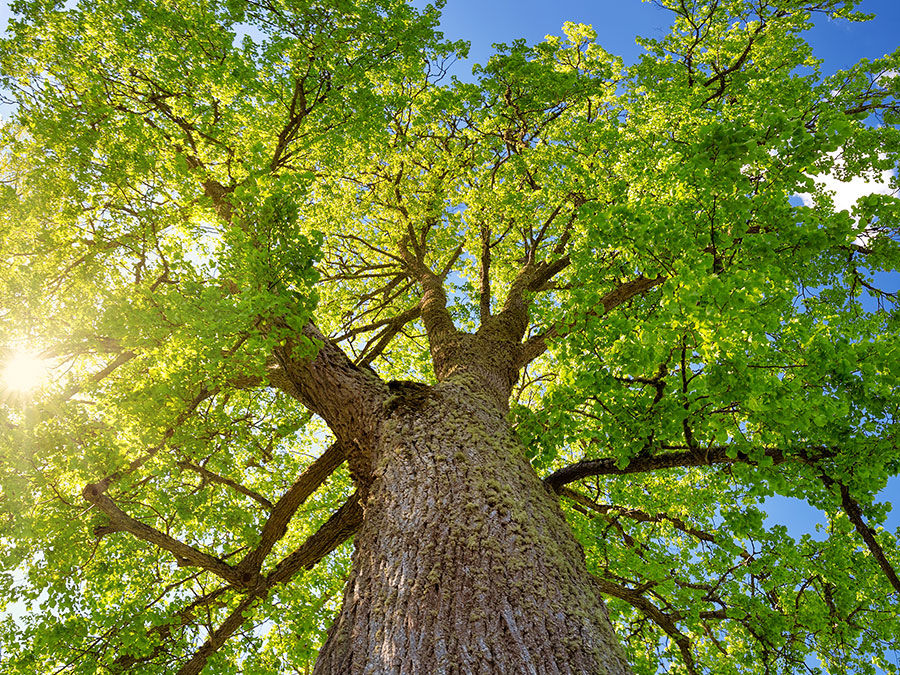
A garden that looks good in every season takes more than the occasional water and trim. Healthy, safe trees come from regular maintenance and a tree health assessment at the right time. Whether you are looking after established shade trees or young ornamentals, understanding how trees respond to each season helps you prevent stress, catch problems early and protect your landscape.
This guide walks through seasonal tree care for Australian gardens, with practical tips for homeowners in Wollongong, Shellharbour and the Illawarra.
Why seasonal tree care matters
Trees are living organisms that respond to weather, stress and the change of seasons. Australia’s varied climate means care needs to suit the conditions where you live. A proactive approach to tree care can:
- Improve root stability and nutrient uptake
- Support healthy growth and canopy development
- Reduce hazards from weak or damaged branches
- Lower the risk of pests and disease
- Keep the whole landscape looking its best
At the heart of seasonal care is a regular check of structure, foliage, trunk condition and root stability, so early warning signs are picked up before they become bigger problems.
Spring: growth and renewal
Spring is the busiest season for tree growth. As temperatures rise and days get longer, trees move into an active growth phase.
Spring priorities
- Inspect and clean up. After winter, check trunks and branches for cracks, pests or fungal problems. Dealing with wounds early stops them getting worse.
- Prune strategically. Remove dead wood, low branches blocking paths, and limbs that cross or rub. Good pruning improves airflow through the canopy, which helps defend against fungal disease.
Summer: hydration and heat stress
Watering
- Deep watering once or twice a week is usually better than a light daily water.
- Water in the morning to reduce evaporation and root stress.
- Keep moisture at the drip line, where roots absorb most water.
Signs of heat stress
- Wilting or scorched leaves
- Early leaf drop
- Discoloured foliage
- Branch dieback
Summer care tips
- Apply 5 to 7 cm of mulch, leaving a gap around the trunk to prevent rot.
- Avoid heavy pruning, which can add stress in the heat.
- Watch for borers, aphids and scale insects, which thrive in warm weather.
- Book a tree health assessment if a tree shows signs of decline mid-summer.
Autumn: preparing for winter
Autumn is a season of slower top growth and stronger root development, as trees store energy for winter.
Autumn goals
- Prepare trees for cooler conditions
- Manage fallen leaves sensibly
- Strengthen root systems
- Build up nutrient reserves
Essential autumn tasks
- Apply a balanced fertiliser to support roots heading into the cooler months.
- Refresh mulch to moderate soil temperature, hold moisture and suppress weeds.
- Rather than removing every leaf, leave a light layer under trees to protect the soil, or shred leaves into nutrient-rich mulch.
Choosing the right tree for your site
Picking species suited to your local climate reduces maintenance and gives trees a better chance of a long, healthy life. As a general guide:
- Temperate areas: deciduous maples, oaks and elms
- Tropical and subtropical areas: frangipani, ficus and palms
- Mediterranean-style climates: olive, jacaranda and citrus
Before planting, look closely at the site:
- Wind exposure
- Soil type
- Sun exposure
- Water availability
Matching the species to the site improves long-term health and reduces the work needed later. Check your local council’s rules before planting or removing trees, as some species and sizes are protected.
Managing storm and weather damage
The Illawarra regularly sees strong winds and heavy storms, so it pays to be prepared.
Before a storm
- Inspect trees for weak or overextended limbs
- Get professional advice on any high-risk trees
- Have loose or hanging branches removed
After a storm
- Have damaged trees inspected as soon as possible
- Arrange safe removal of hazardous branches and debris
- Avoid DIY climbing or chainsaw work
If a tree has come down or is threatening your home, call our 24/7 emergency tree service on 1300 673 407.
When to call an arborist
- Signs of disease that do not improve with basic care
- Large dead limbs or structural cracks
- Roots affecting nearby structures, paths or driveways
- Hazardous trees near buildings or power lines
A qualified arborist can provide:
- Detailed tree health and risk assessments
- Safe pruning and tree removal
- Soil and fertility advice
- Maintenance plans tailored to each season
Professional care that protects your investment
Trees are long-term assets. Poor pruning, neglected roots or untreated disease can compromise safety and shorten a tree’s life. A good care plan usually includes:
- Scheduled inspections
- Targeted pruning
- Soil improvement advice
- Pest and disease monitoring
- Risk assessments ahead of storm season
Regular assessment means problems are found early, which can reduce the need for costly removals and emergency call-outs later.
Tree maintenance in Wollongong with Arborcare
Arborcare Tree Maintenance is a family-owned business based in Dapto, with qualified arborists who understand safe pruning, soil health and tree structure. We provide inspections, canopy management, hazard reduction, stump grinding and property-wide tree health assessments across Wollongong, Shellharbour and the Illawarra.
Every recommendation is practical and focused on the long-term health of your trees, not short-term fixes. Contact us or call 1300 673 407 to book an assessment.